
MLN Project
by admin
Maize Lethal Necrosis Disease (MLND) is a key regional challenge that continues to bring havoc to farmers' maize grain harvest and threatens food security in the eastern African region. It causes yield loses of up to 100% and has been registered as a threat to food security in the region. MLND is caused by the co-infection of Maize Chlorotic Mottle Virus (MCMV) and any of the Potyviruses infecting cereals, especially Sugarcane Mosaic Virus (SCMV). The disease was reported in Kenya in September 2011, and later in Tanzania, Uganda, Rwanda, DR Congo, South Sudan and Ethiopia. MLN pathogens can be transmitted by insect vectors and also through contaminated seed. Some developed countries have managed the disease through strategies that include combining tolerant varieties, crop rotation, and having maize free seasons to reduce the insect vector pressure that transmits the disease. However, in eastern Africa, the epidemic is aggravated by little access to MLN tolerant maize varieties by farmers and year-round cultivation of maize, allowing transmission via insect vectors, among others. AATF and AGRA are co-leading efforts towards supporting the commercial seed sector in Kenya, Uganda, Tanzania, Rwanda and Ethiopia in production of MCMV-free maize seed, as well as promoting the use of certified seeds by farmers in respective countries. The Project is coordinated by the International Maize and Wheat Improvement Centre (CIMMYT), under the USAID-funded MLN Diagnostics and Management Project.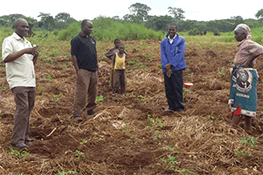

CALL US TODAY
254-20 422 3700
254-20 422 3700

NAIROBI, KENYA
Naivasha Rd
Naivasha Rd

EMAIL
aatf@aatf-africa.org
aatf@aatf-africa.org